Look for UV resistance
Sunlight breaks down the dyes and plastics used in artificial plants. Products made for outdoor use are usually treated to slow this, and they should say UV resistant or UV stable in the description. Indoor plants placed outside can fade from green to blue or yellow within a season. Even treated plants will fade gradually over time, so the more shade they get, the longer they will keep their colour.
Choose plants that suit the setting
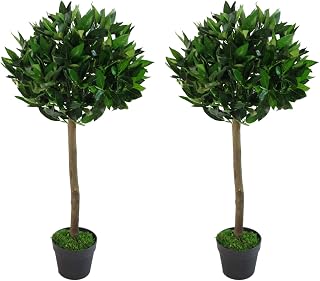
Clipped box balls and cones look smart by a front door and suit both period and modern homes. Lavender and ornamental grasses bring softness to patios and look natural in loose groups. Window boxes are an easy way to add colour to a flat or a terrace without worrying about watering. Picking plants that would grow in a British garden helps the display look believable.
Anchoring against wind
Artificial plants are light, so exposed balconies and front steps can catch them out in a gust. Fill pots with gravel, sand or stones, or use heavy planters. For hedging and screening, fix panels securely to railings or a frame with cable ties every few inches. A plant that blows over can scratch paving or damage the stems, so it is worth the extra few minutes.
Caring for outdoor faux plants
Rain will rinse off some dust, but outdoor plants still collect grime and pollen. Hose them down gently every month or two in the warmer months and let them dry. In winter, bring smaller plants in or move them to a sheltered spot if you can, which helps them last longer. Check fixings each spring and replace any cable ties that have perished in the sun.
Mixing real and artificial
Many gardeners use artificial plants where real ones struggle, such as deep shade, windy corners or pots that are hard to reach for watering. Mixing them with real planting can work well as long as the shades of green sit comfortably together. Put the faux pieces slightly further from where people sit, and the real ones closer, for a display that reads as natural.