Panels, rolls or trellis
Hedge panels are usually square tiles that clip together, giving a dense leafy wall that suits fences and feature walls. Rolls are quicker to fit across long runs of railing and are popular for balconies. Expanding trellis with leaves gives a lighter, more open look and suits smaller areas. Think about how much privacy you want and how the screen will be fixed before choosing a format.
Working out how much you need
Measure the width and height of the area and multiply to get square metres. Then divide by the coverage of a single panel or roll. Always round up and add one or two spare panels, because ends, posts and corners rarely fit perfectly. Spares also let you replace a panel later if one weathers faster or gets damaged.
Fixing it securely
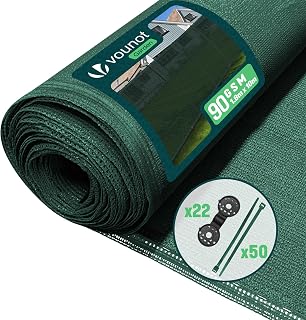
Cable ties are the usual method for railings, trellis and wire mesh. Use UV stable ties if you can, as standard ones can turn brittle after a summer. On wooden fences, a wooden batten frame with screws or staples gives a flatter finish. Fix panels at regular points so wind cannot get behind them and lift the edges.
Indoor feature walls
Green walls and flower walls are popular in offices, cafes and event backdrops. Indoors you do not need UV treatment, but you do want dense leaf cover so the backing does not show. Panels with mixed leaf types look richer than a single species. For events, a flower wall on a free-standing frame is easy to move and can be reused.
Looking after your screen
Hose outdoor screening down a couple of times a year to clear dust and pollen. Check the ties every spring and replace any that have perished. If a balcony gets very strong sun, expect some gradual fading on the most exposed side over the years. Indoor walls just need a light dust or a cool hairdryer now and then.